
Mold Testing in Irish Meeting House, PA

Find Out What You're Breathing Before It's Too Late

Independent mold testing that tells you exactly what’s growing in your home, where it’s hiding, and what to do about it.

Hear from Our Customers

Professional Mold Testing Near You

Know What's There, Not What Someone Wants to Sell

You don’t need a mold problem diagnosed by the same company that profits from fixing it. That’s like asking a mechanic if you need new brakes.

What you need is an independent mold inspection that gives you lab-verified facts. Not a sales pitch. Not an estimate that conveniently matches the worst-case scenario.

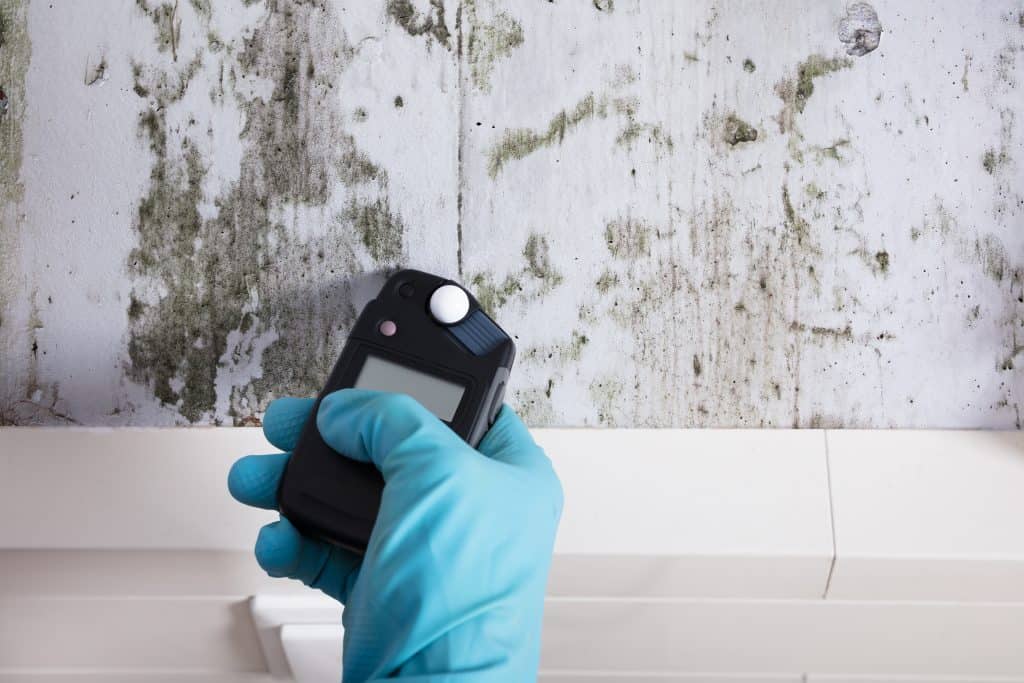
When we test your home in Irish Meeting House, we’re looking for mold spores in your air and on surfaces. We’re checking moisture levels, identifying hidden growth behind walls or under floors, and using infrared cameras to find water intrusion you can’t see. Then we send samples to a certified lab and give you a report that tells you exactly what’s happening and what needs to happen next.

If there’s no mold, you’ll know. If there is, you’ll know what type, where it is, and how serious it is. And because we don’t do remediation, you can trust that the answer isn’t inflated.

Certified Mold Inspectors in Irish Meeting House

We Test Mold, We Don't Remove It

We’ve been serving Bucks County homeowners with certified, independent mold testing for years. We’re licensed in Pennsylvania to conduct professional mold assessments, and every inspector on our team is trained to spot what most people miss.

We don’t remediate. We don’t sell you removal services. We test, we report, and we move on. That’s the whole point.

Irish Meeting House sits in an area where humidity, older homes, and Pennsylvania’s rising precipitation create perfect conditions for mold growth. We’ve tested hundreds of properties across Bucks County, and we know what to look for in basements, crawl spaces, attics, and behind finished walls. If you’re buying a home, dealing with a musty smell, or just want to know what’s in your air, we’ll give you an honest answer.

How Mold Testing Works

Here's What Happens When We Show Up

We start with a visual inspection of your property. That means checking anywhere moisture could hide: around windows, under sinks, near HVAC systems, in the basement, attic, bathrooms, and any area that’s had water damage or feels damp.

Then we use a moisture meter and thermal imaging camera to detect hidden water intrusion. Mold grows where it’s wet, and sometimes that’s inside a wall or under flooring you’d never think to check.

Next, we collect air samples and surface samples using sterile equipment and a calibrated air quality pump. Those samples go to an accredited lab where technicians identify the species of mold and measure spore concentration. You’re not guessing. You’re getting data.

Once the lab results come back, we put together a detailed report. It tells you what we found, where we found it, and whether the mold levels are normal or elevated. If remediation is needed, the report includes a protocol, step by step, so any contractor you hire knows exactly what to do. And if you want, we’ll come back after the work is done to verify the mold is actually gone.

Ready to get started?

Explore More Services

About Mack's Mold Removal

What's Included in Mold Testing

You Get Facts, Not Fear

Every residential mold testing appointment includes a full visual inspection, moisture mapping, air sampling, and surface sampling where needed. We’re not just looking for black mold. We’re identifying all species present and measuring whether your indoor air quality is worse than the air outside.

In Irish Meeting House and throughout Bucks County, we see a lot of basements with efflorescence, attics with poor ventilation, and crawl spaces that stay damp year-round. Pennsylvania’s climate doesn’t help. Precipitation here has increased up to 10% in recent years, and that means more moisture, more humidity, and more mold growth in homes that weren’t built to handle it.

Our reports don’t just say “you have mold.” They tell you what kind, where it’s concentrated, what’s causing it, and what needs to be addressed. If it’s a ventilation issue, we’ll note it. If it’s a roof leak or a grading problem, we’ll point it out. You’ll also get a remediation protocol if work is needed, which keeps contractors honest and prevents unnecessary demolition or inflated quotes.

And because we’re independent, you can take that report to any mold removal company you want. Or use it in a real estate transaction. Or file it with your insurance. It’s your data.

How do I know if I actually need a mold test?

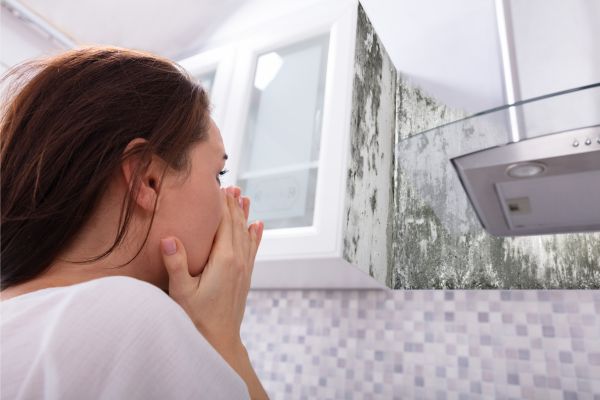
If you can see mold, smell mold, or you’ve had water damage in the last year, testing makes sense. Same goes if someone in your house has unexplained respiratory issues, chronic sinus problems, or allergy symptoms that won’t go away.

A lot of people call us after they notice discoloration on walls, a musty odor in the basement, or condensation that won’t dry. Others are buying or selling a home and want documentation before closing. Some just want peace of mind.

Testing is also worth it if you’ve had remediation done before and want to confirm it actually worked. A post-remediation test verifies that mold levels are back to normal and the job was completed correctly. If a company tells you testing isn’t necessary after they’ve “fixed” the problem, that’s a red flag.

An inspection is visual. We walk through your property, look for visible mold, check for moisture, and identify conditions that support mold growth. A test goes further. We collect samples and send them to a lab for analysis.

Most of the time, you need both. The inspection tells us where to look. The test tells us what’s actually there, even if you can’t see it. Mold grows inside walls, under flooring, and in HVAC ducts. You’re not going to catch that with your eyes.

The lab results give you species identification and spore counts, which matter if you’re trying to figure out whether your air quality is safe or if a certain area needs containment during removal. It’s the difference between guessing and knowing.

The on-site inspection and sampling usually take one to two hours, depending on the size of your home and how many areas we’re testing. We’re thorough, but we’re not slow.

Lab results typically come back within three to five business days. Once we have them, we’ll walk you through the report and explain what everything means. If you need results faster for a real estate closing or an urgent situation, we can request expedited lab processing.

After you get the report, you’ll know exactly what you’re dealing with. If remediation is needed, you’ll have a clear protocol to follow. If the results come back clean, you’re done. Either way, you’re not waiting weeks to find out whether your home is safe.

You can, but it won’t tell you much. Those kits detect mold spores, which are everywhere. The air outside your house has mold spores. The question isn’t whether mold exists. It’s whether the concentration inside your home is higher than it should be, and whether the species present are toxic.

DIY kits don’t measure spore counts. They don’t compare indoor levels to outdoor baselines. And they don’t come with a trained inspector who knows where to look or what moisture patterns mean. You might get a result that says “mold detected” and still have no idea if you have a problem or what to do about it.

Professional testing gives you data you can actually use. Lab-certified results, species identification, and a remediation plan if needed. If you’re making decisions about your health, your home, or a real estate transaction, a $30 kit isn’t going to cut it.

We see a lot of Aspergillus, Penicillium, and Cladosporium in Bucks County homes. These are common mold species that thrive in damp, humid environments. Aspergillus and Penicillium often show up in basements, bathrooms, and areas with poor ventilation. Cladosporium tends to grow on wood, drywall, and fabrics.

Stachybotrys, known as black mold, is less common but more concerning. It grows on materials that stay wet for extended periods, like drywall after a leak or flooding. It produces mycotoxins that can cause serious health issues, especially in children, elderly individuals, or anyone with a compromised immune system.

The only way to know what you’re dealing with is through lab testing. Visual identification isn’t reliable. A black spot on your wall could be Stachybotrys, or it could be dirt. We collect samples, the lab identifies the species, and you get a clear answer.

No. Mold testing is non-invasive and safe. We’re not disturbing large areas of growth or creating airborne contamination. We’re collecting small samples using sterile equipment, and the process doesn’t put you or your family at risk.

You’re welcome to stay during the inspection. A lot of homeowners prefer to walk through with us so they can see what we’re looking at and ask questions in real time. It’s your home, and we’re not doing anything you shouldn’t be aware of.

If we do find mold and recommend remediation, that’s a different story. Depending on the extent of the growth and the species involved, you may need to stay elsewhere while the work is done. But testing itself? You’re fine to be there.

Other Services we provide in Irish Meeting House